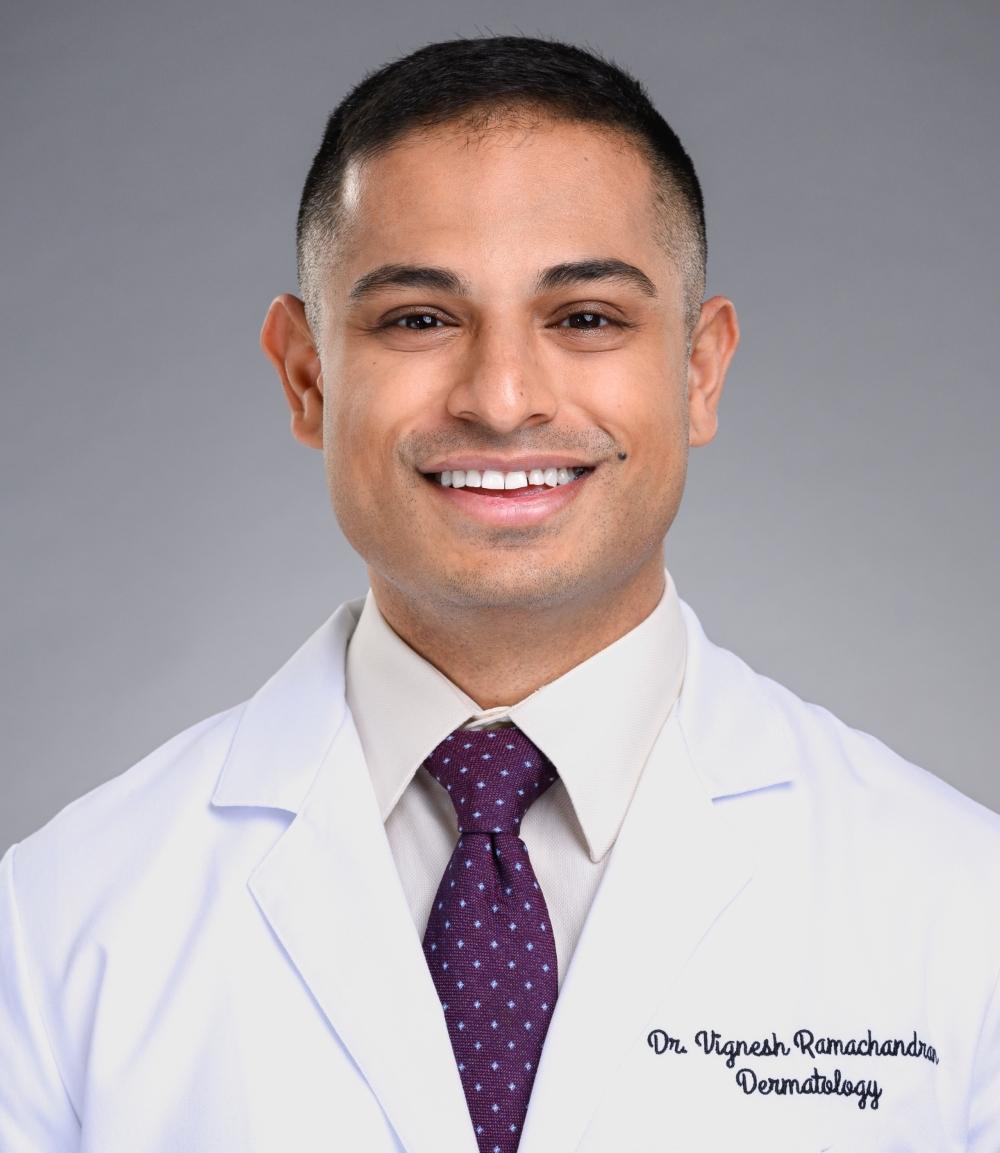
01How to use this guide
Start the slow things first. Your employment contract, a new state license and insurance credentialing each set dates you can't move much. Plan everything else around them.
Read the timeline below first. It shows the whole job on one screen. Each numbered section then explains one area in plain words. Section 14 pulls every task into one printable checklist, and your check marks are saved in this browser.
Every number has a source. Fees, rates and prices link to the list at the bottom of the page, with the date each one was checked. Where we couldn't find a public source for a number, we left it out and told you what drives it instead.
A few words you'll see
The 6-month timeline
Start the slow things
- Form your entity, get the EIN
- Get the practice's Type 2 NPI
- Lock in your location (applications need the address)
- Get malpractice quotes
- Build your CAQH profile, submit Medicare and payer applications
- Open the business bank account
Space and big decisions
- Sign the lease after a lawyer reads it
- Start build-out plans and permits; plan a Mohs lab room now if you may ever want one
- Decide who will do your billing
- Demo EMRs with a real visit, end to end
- Follow up on every payer application
Order the long-lead items
- State controlled-substance registration (if required), then DEA at this address
- Order chairs, lights and procedure equipment
- Choose your pathology lab and clearinghouse
- Get phone and fax numbers; claim your Google Business Profile
- Sign the EMR contract and its BAA
Lab, prices and people
- Apply for your CLIA certificate
- Build your fee schedule and self-pay price list
- Make your Good Faith Estimate template
- Hire your first staff
- Website live with insurance list, booking and required notices
Set up and get known
- EMR templates, e-prescribing, EPCS, iPLEDGE registration
- ERA and EFT with every payer
- Waste, sharps, shredding, liquid nitrogen and courier contracts
- Visit nearby primary care and urgent care offices
- Patient notice goes out, within your contract's rules
Rehearse
- Train staff, run a mock clinic day, send test claims
- Confirm each payer's effective date in writing
- Check your listing in every payer directory
- Open booking for approved payers and self-pay
- Final inspections and occupancy sign-off
Already licensed in your state with a DEA registration and no non-compete? You can move faster on months 1 to 3. Credentialing is still the long pole.
02Leaving your current job Before month 1
Your contract sets your real opening date. The notice period decides when you can leave. The non-compete decides where you can open. Read it before you sign a lease, form an entity or tell anyone, including patients.
Get your own lawyer
Hire a healthcare employment attorney who works for you, not your employer. Bring the full contract, every amendment, your offer letter, and any policy the contract points to, such as a physician handbook or bonus plan. Ask for a written summary of three things: your last day, where you may practice, and what you may say to patients.
Non-compete: distance and duration
Find the radius in miles, measured from which offices (every location of the group, or only where you worked?), and how long it lasts after you leave. Look for a buyout or "liquidated damages" clause, which puts a price on practicing inside the zone. Physician non-competes are a state-law question now: the FTC's nationwide ban was set aside by a federal court in 2024, and the FTC formally removed the rule in February 2026 FTC. Several states limit physician non-competes, and those laws have changed often, so ask your lawyer for your state's current rule.
Non-solicitation of patients and staff
Many contracts separately bar you from soliciting patients or hiring away staff for a set period. This clause is often stricter than the non-compete, and it controls what your notice letter may say.
Notice period and termination
Find how much notice you must give, whether it must be in writing, and whether either side can end the contract early "without cause." Your opening date is your notice period plus any time the non-compete keeps you out of your chosen location.
Tail coverage, and who pays
If your current malpractice policy is claims-made, someone must buy tail coverage when you leave, or a lawsuit filed later about care you gave there may not be covered. Tail coverage typically costs two to three times the policy's annual premium at cancellation AMA; an Indiana State Medical Association article puts it at about 150% to 250% ISMA. Your contract may say the employer pays, you pay, or it depends on why you leave. Ask your new carrier about "prior acts" (nose) coverage before you buy a tail.
What you may tell patients
Patients choose their doctor, and they are entitled to their records. The AMA Code of Medical Ethics says patients should be notified long enough in advance to find another physician (Opinion 1.1.5), and that a record should never be withheld when a patient asks for a transfer (Opinion 3.3.1) AMA. The AMA also says non-competes should not unreasonably restrict a physician's right to practice or ignore patients' choice of physician (Opinion 11.2.3.1).
In practice: agree with your employer on a neutral notice letter that says you are leaving, where you will practice if your contract allows it, and how patients can get their records. Don't take patient lists or copy charts on your way out. That can breach your contract and HIPAA.
Questions to bring your lawyer
- What is my earliest possible last day, and how do I give notice?
- Where exactly can't I practice, for how long, and can I buy out of it?
- What may my notice letter to patients say, and who sends it?
- Who pays for tail coverage in my situation?
- What happens to accrued bonuses, vacation and my case logs?
- Can I start entity, lease and credentialing work while still employed?
03Getting patients Months 3 to 6, then always
This is most new practice owners' biggest fear, and the work is not mysterious. It is a list of small tasks done in order and repeated. None of it involves buying reviews or paying for referrals, and most of it costs nothing but time.
1. Tell your current patients, within your contract
Use the notice letter you agreed on in section 02. When patients find you, make records transfer easy: put a one-page records release form on your website, and assign one staff member to follow up with the old office until the records arrive.
2. Build referral relationships
List the primary care, urgent care, pediatric, OB/GYN and podiatry offices within a reasonable drive. In month 5, visit them in person with a one-page sheet: what you treat, which insurance you take, how to send a referral (fax and e-referral), and how fast you will see an urgent referral, such as a changing pigmented lesion. Then keep that promise.
Send a consult note back after every referred visit. A fast, useful note is the best marketing a specialist has. Never give anything of value in exchange for referrals: the federal anti-kickback statute is a criminal law, and both sides of a deal can be liable HHS OIG.
3. Google Business Profile, done properly
- Claim and verify the profile at your practice address. It's free.
- Use your real name only. Google doesn't allow extra keywords or cities in the business name and can suspend profiles that add them Google.
- Pick one primary category, the most specific one that fits, and as few extra categories as you need Google.
- Know the practitioner rules. Google treats doctors as individual practitioners. A solo doctor practicing under a brand can use one profile named "Brand: Dr. Name"; a group keeps a practice profile plus one per doctor Google.
- Fill in everything: hours, phone, website, booking link, accessibility details. Add real photos of the building, entrance, parking, waiting room, an exam room and your team. Never patients.
4. Reviews, asked for ethically
- Ask every patient the same way, such as a text after each visit. Asking only happy patients ("review gating") breaks Google's policy Google.
- Never offer anything for a review. Google bans incentives outright. The FTC's rule, in force since October 2024, bans fake reviews, incentives tied to a positive or negative review, and suppressing bad reviews with threats FTC.
- Don't ask for specific content, such as naming a staff member. Google's policy forbids it.
- Reply without confirming the person is your patient. HHS has penalized practices that disclosed patient details in review replies: $50,000 and $23,000 in 2022, and $30,000 in 2023 HHS OCR. A safe reply: "Thank you for the feedback. We take every concern seriously. Please call our office manager at [number] so we can talk."
5. Payer directory listings, checked one by one
After each effective date, search that payer's online directory for yourself. Check your name, specialty, address, phone, "accepting new patients," and in-network status at the right location. Under the No Surprises Act, plans must verify directory information at least every 90 days and update it within 2 business days of a provider's update; you must send updates when a contract starts or ends, when your information changes, and when asked 42 U.S.C.. Keep the same details everywhere (NPPES, CAQH, your website, Google and each payer), down to the suite number. It's free, and a wrong listing quietly sends patients somewhere else.
6. Website must-haves
- Insurance you accept, by plan name, and whether you're taking new patients.
- Services: what you treat and what you don't.
- Location, parking, hours, phone, fax and an online booking link.
- About the doctor: training and board certification.
- New patient forms and a records release form.
- Self-pay prices and the Good Faith Estimate notice, which federal rules require on your website 45 CFR 149.610.
- Your Notice of Privacy Practices, posted prominently. HIPAA requires this when your site describes your services 45 CFR 164.520.
- Accessible design (WCAG 2.1 AA). A 2024 HHS rule requires that standard from recipients of federal financial assistance, now due May 11, 2027 for those with 15 or more employees and May 10, 2028 for smaller ones HHS. Ask your attorney whether it applies to you; building it in from day one is cheaper than fixing it later.
- Fast on a phone. Test every page on your own phone, on cellular data, before launch.
7. Signage and local visibility
- Exterior sign and building directory: get landlord approval written into the lease, and your city's sign permit, before you order.
- Hospital and society listings: if you hold privileges, tell the medical staff office and the hospital's referral line. Join your county medical society.
- One name, one address, one phone number everywhere patients might look.
Your first 100 patients: a 90-day plan
100 is a planning target, not a promise. What you control is the work below.
- Before day one. Google profile verified with photos. Website live with booking. Booking open for approved payers and self-pay. Notice to current patients sent within your contract. Every office on your referral list visited once. Every payer directory checked.
- Days 1 to 30. Hold same-week slots for referrals and urgent spots. Send consult notes within a day or two. Ask every patient for a review the same way. Ask every new patient how they found you, and write it down.
- Days 31 to 60. Visit your top referring offices again to say thank you (no gifts tied to referrals). Re-check payer directories. Fix whatever the "how did you find us" answers say is missing.
- Days 61 to 90. Count new patients by source and spend more time on what works. Book follow-ups and recalls before patients leave. If the phone log shows demand you can't meet, add an early or late clinic.
Costs: Google Business Profile, payer directory updates, NPPES and CAQH updates are free. The real cost is your time and your staff's time.
04Entity and licensing Month 1
These are the legal basics. Most are quick and cheap. A new state license is the exception, so start it first if you need one.
Business entity
Many physicians form a professional LLC (PLLC) or a professional corporation. Some states have "corporate practice of medicine" rules that limit who can own a medical practice, and some require the professional form, so check yours first. An attorney helps you pick the structure and write the operating agreement. An accountant tells you how each choice is taxed, for example whether an S corporation election makes sense.
State filing fees for an LLC run from $40 in Kentucky to $500 in Massachusetts, and Colorado charges $50. Yearly report fees range from $15 (Kentucky) to $500 (Massachusetts) state filing offices. What drives your cost: your state's fee, whether you need a professional entity, and how much attorney time you buy.
EIN (federal tax ID)
Your practice's tax ID number. Form the entity first, then apply online at IRS.gov. If the application is approved, the IRS issues the EIN immediately online, and there is never a fee IRS. You need it for the bank, payroll and every payer application.
NPI (National Provider Identifier)
You already have a Type 1 NPI as an individual. If your practice is its own entity, it needs a Type 2 (organization) NPI. Apply through NPPES, the federal NPI system. There is no fee CMS.
State medical license
Boards verify your school, training, exams and every past license directly with the source, and that is where the time goes. Ask your board for its current processing time, answer every question fully, and chase slow verifications yourself. Initial license fees in the states we checked run from $35 in Pennsylvania to about $1,850 in California, with Ohio at $305 and Texas at $895 including required surcharges state boards. California's fee rises on January 1, 2027.
If you qualify for the Interstate Medical Licensure Compact and your states take part, it can be faster. It costs $700 for the Letter of Qualification plus each state's license fee, and $100 plus the fee to add a state later IMLCC.
DEA registration
DEA registration is tied to a state and a practice address, so you need your state license, and in some states a state controlled-substance registration, first. The federal fee for practitioners is $888 for a 3-year registration as of 2026; a first registration can run 28 to 39 months before its first renewal 21 CFR 1301.13. Even if you rarely prescribe controlled substances, credentialing forms usually ask for your DEA number or why you don't have one.
Malpractice insurance
Get quotes early, because payers ask for proof of coverage during credentialing. A claims-made policy covers claims filed while the policy is active. An occurrence policy covers anything that happened during the policy period, whenever the claim comes. Claims-made premiums usually start lower and step up over the first few years.
No national survey publishes dermatology premiums. The best public numbers we found come from Indiana's insurance regulator: $3,301 to $5,049 a year for dermatology without surgery, and up to $6,840 with minor surgery, from three insurers at $500,000/$1.5 million limits (rates effective July 1, 2026) Indiana DOI. Those limits are lower than the $1 million/$3 million that the AMA's insurance agency calls a good starting point AMA, and some states cost far more: the AMA reports Florida internal medicine manual premiums of $59,736 for 2025 AMA. What drives your premium: state, county, limits, and how much surgery and cosmetic work you do. Get two or three quotes.
Business bank account and payroll
Open the account in the practice's name with your EIN, and keep practice and personal money apart from day one. Set up bookkeeping and a payroll service before you hire. As an employer you pay 7.65% of each employee's wages for Social Security and Medicare, plus federal unemployment tax of 0.6% on the first $7,000 of each employee's pay in most states IRS. Many new practices also arrange a line of credit before opening, because insurance payments start slowly.
Also check
- Local business license, zoning for medical use, and sign permits.
- Other insurance: general liability, property, cyber, and workers' compensation, which most states require once you have employees.
- State extras: some states require registering lasers, registering as a medical waste generator, or following office-based surgery rules if you use sedation beyond local anesthesia.
05Credentialing and payer enrollment Start month 1
Why this starts first: until a payer approves you, you can't see its members as in-network. Many commercial payers won't pay for visits before your effective date, and Medicare generally lets you bill back only 30 days before yours. Start late and you either delay opening or see patients you can't bill.
How long it takes. Payers publish their own credentialing times: 45 to 60 days at Cigna, and about 45 days at Anthem once your CAQH profile is complete Cigna, Anthem. Those numbers don't include contracting, missing documents or closed networks. Medicare's contractors aim to finish most online applications without a site visit in 15 days and all within 50, and applications that need a site visit or fingerprinting within 85 days; the clock stops while they wait on you FCSO. Put together, plan on 2 to 6 months from your first application to your last effective date.
Do it in this order
- Gather your documents in one folder. State license, DEA, board certification, diplomas, a CV with month-and-year dates (explain any gap of a few months or more), malpractice certificate and claims history, both NPIs, the practice EIN and a W-9.
- Build your CAQH ProView profile. CAQH now operates as DataSpring. The profile is free for clinicians, most commercial payers pull your information from it, and you must re-attest every 120 days or payers may treat your profile as lapsed DataSpring.
- Enroll in Medicare through PECOS. Enroll yourself and the practice, and reassign your benefits to the practice. Physicians and physician groups pay no enrollment application fee (institutional providers pay $750 in 2026) CMS. Your effective date is the later of the date Medicare receives an application it approves and the date you start seeing patients at the new location; you may bill for up to 30 days before it if circumstances kept you from enrolling earlier 42 CFR 424.520, 424.521.
- Choose your Medicare status. Participating (you accept Medicare's rate as payment in full), non-participating, or opting out (patients pay you directly and nobody bills Medicare). Opting out lasts 2 years and renews automatically unless you cancel at least 30 days before the period ends 42 CFR 405.445. You revalidate your Medicare enrollment every 5 years CMS.
- Enroll in Medicaid, if you'll accept it. Each state runs its own enrollment, and Medicaid managed care plans usually credential you separately.
- Apply to each commercial payer you want, including Medicare Advantage plans, which credential separately from Medicare. First ask whether the network is open for dermatology in your area. Some are closed or slow.
- Read the contract before you sign. Credentialing approves you. The contract sets what you're paid. Ask for the rates for your 10 most common codes.
- Get each effective date in writing before you book that payer's patients.
Track everything
Applications stall quietly. Keep one tracker with these columns: payer, date sent, reference number, contact, next follow-up date, status, effective date, ERA and EFT status. Call every two weeks until each one is done. The payer tracker download is set up this way.
One more Medicare note: the quality program MIPS skips clinicians in their first year of Medicare enrollment, but only if you have never billed Medicare before, even through a group 42 CFR 414.1305. If you're leaving a Medicare-billing job, plan for MIPS from year one.
06Money and billing setup Months 2 to 6
Decide who does billing
You have three common options: a billing service, an in-house biller, or you and your staff using billing software. Billing services charge a percentage of what you collect. Published dermatology figures are old: 5% to 7% of net collections (2006) and 5% to 9% (2012) Dermatology Times. A 2026 consultant guide quotes 5% to 8% DoctorsManagement. Compare what each quote includes: patient statements, denial appeals and prior authorizations are often extra.
The break-even math. A medical records specialist (the federal category for billers and coders) earns $37,000 to $81,150 a year nationally, with a median of $51,140 BLS. Add the 7.65% employer tax and a median biller costs about $55,000 a year before benefits. At a 6% fee, a billing service costs the same once you collect about $918,000 a year. Below that, a service is usually cheaper; above it, in-house may be, if you can cover the biller's vacations and train a backup. Whatever you choose, one named person must own denials, follow-up and patient balances every week.
Clearinghouse, ERA and EFT
A clearinghouse sends your claims to payers and brings back payment files. Many EMRs include one or partner with one. For each payer you'll enroll for three things: electronic claims, ERA (electronic remittance advice, the file that explains each payment) and EFT (electronic funds transfer, direct deposit). Start ERA and EFT enrollment in month 5 at the latest; each payer runs its own process.
Your fee schedule
Your fee schedule is your list price for each code. It isn't what you get paid. Payers usually pay the lower of your charge or their contracted rate, so a fee below a payer's rate leaves money on the table. That is why many practices set every fee as one multiple of Medicare: it keeps fees consistent across codes, it's easy to update when Medicare publishes new rates each year, and if the multiple is high enough, every fee stays above every contract. Use one fee schedule for all payers.
A sample fee schedule for 10 codes you'll bill weekly
Medicare's 2026 national payment for each code done in your own office, next to an example fee at 2 times Medicare. The 2 is only an example: pick your multiple after you see your commercial contract rates.
| Code | In plain words | Global days | Medicare 2026, national | Example fee at 2x |
|---|---|---|---|---|
| 99203 | New patient visit, low complexity | n/a | $117.57 | $235 |
| 99213 | Established patient visit, low complexity | n/a | $95.19 | $190 |
| 99214 | Established patient visit, moderate complexity | n/a | $135.61 | $271 |
| 11102 | Tangential (shave) biopsy, first lesion | 0 | $95.53 | $191 |
| 11104 | Punch biopsy, first lesion | 0 | $121.25 | $243 |
| 17000 | Destruction of a premalignant lesion (such as an actinic keratosis), first lesion | 10 | $66.47 | $133 |
| 17003 | Each additional premalignant lesion, 2 through 14 (per lesion) | add-on | $6.35 | $13 |
| 17110 | Destruction of benign lesions such as warts, up to 14 | 10 | $111.22 | $222 |
| 17262 | Destruction of a malignant lesion, trunk, arms or legs, 1.1 to 2.0 cm | 10 | $173.68 | $347 |
| 11602 | Excision of a malignant lesion, trunk, arms or legs, 1.1 to 2.0 cm with margins | 10 | $240.49 | $481 |
Source: CMS Physician Fee Schedule Look-Up Tool, 2026, national payment amounts, non-facility (in-office) setting, non-QPP rates, conversion factor $33.4009, data updated October 1, 2026 CMS. Your local amount is different because Medicare adjusts for geography; look up your locality. "Global days" is the follow-up period included in the payment. CPT is a registered trademark of the American Medical Association; descriptions here are plain-language summaries, not CPT descriptors.
If you choose to be non-participating with Medicare, you may not charge Medicare patients more than the "limiting charge," which is 109.25% of the participating amount. For 99213 nationally, that's $104.00 in 2026 CMS.
Self-pay pricing
Set clear cash prices for cosmetic services and for patients without insurance. Keep the list short, written down and applied the same way to everyone. Before offering discounts to insured patients, check your payer contracts and state rules.
Good Faith Estimates
Under the federal No Surprises Act, you must give uninsured and self-pay patients a written Good Faith Estimate of expected charges. That includes cosmetic patients paying cash 45 CFR 149.610.
- Scheduled at least 3 business days ahead: give the estimate within 1 business day of scheduling.
- Scheduled at least 10 business days ahead: within 3 business days of scheduling.
- When a patient asks: within 3 business days of the request.
- Post a notice that estimates are available on your website, in your office and where patients schedule, and tell patients when they schedule.
- If the final bill is at least $400 above the estimate, the patient can dispute it through a federal process within 120 days of the first bill 45 CFR 149.620.
ABNs for Medicare patients
An Advance Beneficiary Notice tells a Medicare patient, before the service, that Medicare may not pay. You need one before a normally covered service you expect Medicare to deny as not medically necessary; without it, the practice can't bill the patient. For services Medicare never covers, such as cosmetic procedures, an ABN is optional. Don't hand out ABNs routinely, and keep copies for 5 years CMS.
Getting paid at the front desk
- Check insurance eligibility the day before every visit, not at check-in.
- Collect copays and known balances at check-in. Keep a card on file with written consent.
- Write a financial policy covering copays, no-shows, payment plans and cosmetic deposits. Have patients sign it.
Test before day one
Send test claims through your clearinghouse to every major payer before you see real patients. Fix rejections now, while there's no money at stake.
07CLIA, pathology and iPLEDGE Months 3 to 5
CLIA is the federal program that covers any lab test done on a patient sample in your office. If you do any testing in the office, even a urine pregnancy test, you need a CLIA certificate for that location. Sending biopsies to an outside lab doesn't need one; reading anything yourself usually does.
Certificate of Waiver
Simple tests cleared as "waived," such as some urine pregnancy tests used before isotretinoin. Follow the test maker's instructions exactly.
$248 every 2 years.
PPM certificate
Provider-Performed Microscopy covers KOH preps and direct wet mounts, such as a scabies prep, done by you during the patient's visit 42 CFR 493.19. It also covers waived tests.
$297 every 2 years.
Compliance or Accreditation
Reading your own frozen sections (Mohs) or slides. High-complexity testing with lab director, staff, quality and inspection rules. See Mohs below.
Lowest volume tier: $223 plus survey fees.
Fees from the CMS CLIA certificate fee schedule (updated 2024), every two years. For a Certificate of Compliance at 2,000 or fewer tests a year: $223 plus an average state survey fee of $446; for a Certificate of Accreditation: $223 plus $22, plus your accrediting organization's own fees CMS.
How to apply
- Fill out form CMS-116 and send it to your state's CLIA agency. You need the practice address first.
- CLIA is paperless now. CMS emails certificates and fee notices, and fees are paid online through pay.gov, so keep a working email on file CMS.
- New York and Washington run their own lab programs in place of federal CLIA certification. Some other states add their own rules on top.
Pathology economics: send it out or read it yourself
Sending out is the default for most new practices. You bill the biopsy; the lab bills the slide work to the patient's insurance. For a sense of scale, Medicare's 2026 national amount for the standard tissue exam code 88305 is $70.14, split into $35.07 for preparing the slide and $35.07 for the pathologist's read CMS. You need no lab staff, no equipment and no high-complexity certificate.
Reading your own slides only makes sense if you are trained and credentialed in dermatopathology. You then need either an in-house histology lab with its own high-complexity CLIA certificate or an arrangement with a lab that prepares the slides. Either way you run into the federal self-referral (Stark) law, whose in-office ancillary services exception has strict rules on who does the work, in which building, and who bills CMS, 42 CFR 411.355. Talk to a healthcare attorney before you build it.
What labs may and may not give you. Items used only to collect, transport, process or store specimens, order tests or send results (jars, requisitions, courier pickup, a results interface) are fine. Free computers or fax machines you use for other work, free staff, or waste pickup unrelated to specimens are red flags under the anti-kickback statute HHS OIG.
Choosing a pathology lab
- Are your readers board-certified dermatopathologists? Can I call the pathologist directly?
- What is your usual turnaround for a routine skin biopsy, and for a rush?
- How do results reach me: an interface into my EMR, a portal or fax?
- What are courier pickup times and the daily cut-off? What happens on Fridays and holidays?
- Which insurance plans are you in-network with? An out-of-network lab can surprise your patients with bills.
- How do you price for uninsured patients, and will you give that price in writing for Good Faith Estimates?
- Which special stains, immunostains and send-out tests do you offer?
What turnaround to promise patients
Ask your lab for its usual turnaround on routine skin biopsies. Then promise patients a window a few days longer, and tell them you will contact them either way, even when the result is benign. A longer promise you keep builds more trust than a short one you miss.
Courier and requisition reality
- The requisition carries the bill. Wrong or old insurance on the requisition becomes a bill to your patient. Check it at check-out.
- Know the cut-off. A jar that misses today's pickup waits until tomorrow, or until Monday.
- Count every jar against the log before the courier leaves, and keep a copy of the manifest.
Specimen flow: from biopsy to patient
- Label in the room. Two patient identifiers, body site and specimen letter, on the jar, in front of the patient.
- Write a useful requisition. Clinical history, your differential, exact site and procedure type. A better history gets a better read.
- Log it the same day. Every specimen goes into a tracking log in your EMR or on a sheet.
- Hand off to the courier. Count the jars against the log and keep a copy.
- Review the result. You read and sign every report.
- Tell the patient. Document how and when they were told, and the plan.
- Close the loop weekly. Any specimen without a result past your lab's normal turnaround gets flagged and chased.
A biopsy result that never reaches the patient is a real safety and malpractice risk. The log is what closes the loop: every jar in, every result back, every patient told.
iPLEDGE: what isotretinoin really involves
iPLEDGE is the FDA-required safety program for every isotretinoin product. You, your patient and the pharmacy all work in the same system, and it creates steady monthly work for your front desk FDA.
- Register and activate. Only enrolled, activated prescribers may prescribe, and you must re-activate every year. Staff "designees" can enter data, but only you can activate a patient's enrollment iPLEDGE.
- Two patient categories: patients who can get pregnant, and patients who cannot.
- Pregnancy testing for patients who can get pregnant: a screening test before enrollment and a confirmation test before the first prescription, both in a medical setting such as your office or a lab; then a test every month before each prescription, one after the last dose and one a month later. Since 2023 the FDA has allowed tests outside certified labs, and home tests during and after treatment if you permit them, but you must interpret and record every result and guard against falsified home results. Running urine pregnancy tests in your office needs at least a CLIA Certificate of Waiver.
- The 7-day window: for patients who can get pregnant, the prescription must be picked up within 7 days, counting from the day the pregnancy test sample was taken.
- Every month, you confirm counseling, enter the test result and the patient's two forms of contraception, and the patient answers comprehension questions before the pharmacy can dispense.
The front-desk work it creates: book every isotretinoin visit on a fixed monthly rhythm; time the pregnancy test so the 7-day window lines up with pharmacy pickup; have a trained designee do the system entries; field pharmacy calls; handle prior authorizations; and keep one list showing where each patient is in this month's cycle.
08Space, procedure room and Mohs Months 1 to 6
Pick the space for the work you'll do, and leave room for the work you may add. Check that zoning allows medical use, that plumbing can reach every room that needs a sink, and that the landlord's construction timeline fits yours.
Room list
- Waiting area and check-in desk, with enough privacy for insurance and money conversations.
- Exam rooms: enough that the next room is ready when you walk out of the last one, so you never wait on a turnover.
- Procedure room: larger than an exam room, a power chair you can reach from both sides, a strong overhead light and a sink.
- Clean utility and sterilization area, kept separate from a dirty area for used instruments.
- Lab corner: microscope, specimen prep and secure specimen storage.
- Medication storage: locked, with a separate medication fridge and a temperature log.
- Liquid nitrogen spot: well ventilated, never a small closed closet.
- Photo spot: consistent light and a plain backdrop for clinical photos.
- Staff area, storage, your office and an accessible restroom. Check ADA rules for the whole space.
Equipment, with real prices
Prices below are listed prices from US dealers, checked October 27, 2026 dealer listings. Big items are often sold by quote, so treat these as ceilings for new and as examples for refurbished.
| Item | Example | Listed price |
|---|---|---|
| Power procedure chair | Ritter 230 refurbished; Midmark 630 refurbished; Midmark 641 new | $5,000; $8,995; $15,700 |
| Electrosurgery unit | ConMed Hyfrecator 2000, new | $1,325 to $1,379 |
| Liquid nitrogen storage dewar | 25 to 35 liter | $1,304 to $1,351 |
| Cryo spray unit | Brymill Cry-Ac; CryoPro (starting prices) | $769; $849 |
| Autoclave | Tuttnauer 2340EA refurbished; Tuttnauer 2340M new; Midmark M9 new; Midmark M11 new | $3,990; $4,175; $6,559; $8,255 |
| Dermatoscope | DermLite DL4; DermLite DL5 | $1,695; $1,895 |
We could not verify current public prices for microscopes, procedure lights, instruments, furniture or computers, so they're left out here. Put your own quotes into the budget worksheet.
Supplies to stock
- Punch tools in common sizes, curettes, blades
- Absorbable and non-absorbable sutures
- Needle drivers, forceps, scissors, skin hooks
- Lidocaine with and without epinephrine
- Syringes and needles
- Aluminum chloride and silver nitrate
- Gauze, dressings, petrolatum, tape
- Formalin specimen jars, requisitions, bags
- Sterile and exam gloves, drapes, masks, eye protection
- Skin prep and surgical marking pens
- Injectables you use often, like intralesional triamcinolone
- Gowns, table paper, disinfecting wipes
Safety and compliance
- OSHA bloodborne pathogens plan and staff training, plus hazard communication with safety data sheets for formalin and other chemicals.
- Contracts for sharps and biohazard waste, and for shredding.
- Sterilization records: an autoclave log and regular spore testing, if you sterilize in-house.
- Liquid nitrogen safety: ventilation, handling training and protective gear.
- Emergency kit: epinephrine, blood pressure cuff, pulse oximeter and an AED, checked monthly.
Mohs: offer it, refer it, or phase it in
Mohs surgery means running a high-complexity laboratory inside your office. CMS classifies the microscopic exam and interpretation of Mohs frozen sections as high-complexity histopathology CMS. Before you decide, know what that requires.
- A CLIA Certificate of Compliance or Accreditation. You start on a Certificate of Registration ($123), valid while you apply, then move to compliance (state inspection) or accreditation (through an approved accrediting organization) CMS.
- A qualified lab director. Since December 28, 2024, a non-pathologist director needs 2 years of experience directing or supervising high-complexity testing plus 20 hours of continuing education, unless grandfathered 42 CFR 493.1443. A June 2025 CMS memo says CMS will let dermatologists certified by the American Board of Dermatology, who qualify as dermatopathology technical supervisors, direct dermatopathology labs CMS QSO-25-21. A proposed rule published October 8, 2026 would write dermatology board certification into the regulation; it is not final CMS-3478-P.
- Accuracy checks twice a year. There is no approved proficiency testing program for Mohs, so the lab must verify its accuracy at least twice a year another way 42 CFR 493.1236.
- A histotechnician. BLS doesn't publish a separate wage; clinical laboratory technologists and technicians earn $38,910 to $100,990 a year nationally (10th to 90th percentile, May 2025) BLS.
- Equipment: a cryostat (a refurbished Leica CM1860 lists for $20,250 to $24,500 IMEB; new units cost more, so get quotes), plus staining setup, slides, reagents and a microscope.
- Space: a lab room with a sink, ventilation for chemicals and power for the cryostat, plus somewhere comfortable for patients to wait between stages.
For scale, Medicare's 2026 national in-office payment is $667.02 for the first Mohs stage on the head, neck, hands, feet or genitalia (17311) and $402.81 for each additional stage (17312) CMS.
Refer it out
Needs: a reliable Mohs surgeon nearby and a clear referral process.
Costs: no lab, staff or certificate.
Trade-off: the patient leaves your practice for that care.
Offer it from day one
Needs: lab room, cryostat, histotech, compliance or accreditation, and a qualified director.
Costs: the most equipment, staff and paperwork, right when cash is tightest.
Trade-off: highest complexity at opening.
Phase it in
Needs: the lab room built into your build-out now: plumbing, ventilation, electrical.
Costs: a modest add to construction; equipment later.
Trade-off: refer out at first, then upgrade your CLIA certificate when volume and cash allow. No second construction project.
09Cosmetics and lasers After opening
Why a laser is usually not a month-one purchase
Even used, a laser can cost more than every item in the equipment table above combined, and month one is when cash is tightest and demand is unknown. For example, a used Candela GentleMax Pro was listed at $60,000 on a major equipment marketplace in October 2026, and a used-laser broker says used devices save 50% to 80% compared with new DOTmed, The Laser Agent. On top of the price come service contracts, consumables, staff training, and your state's rules on who may operate a laser and under what supervision. Ask your malpractice carrier how cosmetic procedures change your premium. Open first, learn what your patients ask for, then buy.
Buy, lease, or buy used
Lowest total cost over the device's life if you use it a lot. Full warranty. The most cash up front.
Less cash up front, more paid in total. Read the minimum term, the end-of-lease buyout and who pays for service.
The lowest price. Ask about remaining warranty, service availability, and whether the maker charges to transfer or recertify the device.
Cosmetic consults and pricing
Decide whether you charge for a cosmetic consult and whether the fee is credited toward treatment booked the same day, then post the policy. Cosmetic patients pay cash, so the Good Faith Estimate rules in section 06 apply. Medicare doesn't cover cosmetic procedures, so an ABN is optional for them.
Retail skincare
The AMA's ethics opinion on selling health products in the office (Opinion 9.6.4) sets the standard: sell only products with scientific support, tell patients about your financial interest and that they can buy elsewhere, avoid exclusive distributorships, and limit sales to products that meet patients' immediate needs, ideally at or near cost AMA. You may also need to register to collect state sales tax, and inventory ties up cash.
Standardized photography
- Same setup every time: same camera, distance, lighting and plain background, with standard poses (front, 45 degrees, profile).
- Separate consents for clinical photos and for any marketing use. Never post a patient photo without written authorization.
- Store photos in your EMR, not on personal phones.
10Staffing and daily workflow Months 4 to 6
Start lean and hire as the schedule fills. In a small office one person often covers two roles at first. What a medical assistant may do differs by state, so check before assigning tasks like injections.
A lean staffing model for a solo practice
| Role | At opening | When to add or change | National pay, 10th to 90th percentile (median) |
|---|---|---|---|
| Front desk | 1 person: phones, scheduling, check-in, eligibility, copays | A second person when phones and check-in collide at peak hours | $28,760 to $49,950 ($38,010) receptionists; $35,930 to $60,530 ($45,930) medical secretaries |
| Medical assistant | 1 | A second once procedures fill the schedule, so one rooms the next patient while the other assists | $36,050 to $59,310 ($45,690) |
| Biller and coder | Billing service, or part-time | In-house when the break-even math in section 06 says so | $37,000 to $81,150 ($51,140) |
| Practice manager | You, at first | When you add a second provider or location | $73,390 to $224,340 ($123,860) |
| Histotechnician | Only if you run a Mohs lab | When you open the lab | $38,910 to $100,990 ($62,930) |
At national medians, one front desk person and one medical assistant cost about $7,500 a month including the 7.65% employer payroll tax, before benefits.
Pay: U.S. Bureau of Labor Statistics, Occupational Employment and Wage Statistics, May 2025, national, all industries, annual wages before benefits BLS. Local pay can fall outside these ranges; look up your state and metro area. The staffing model is a lean starting point, not an industry benchmark: we found no free, current benchmark for dermatology staffing ratios.
What to automate
- Appointment reminders and confirmations by text or email
- Online intake forms and consents, filled out before the visit
- Insurance eligibility checks the day before
- Card on file and automatic statements
- Recall reminders, such as yearly skin checks and monthly isotretinoin visits
- Incoming faxes routed into the EMR, not printed
- Pathology tracking with overdue flags
Front desk design
- Privacy at check-in, so insurance and money talk isn't overheard.
- One main number with a short menu. Return voicemails the same day.
- Short scripts for new patients, cosmetic pricing, refills and results calls. Results questions go to the clinical team.
- Posted policies for no-shows, late arrivals and cosmetic deposits, also included in intake.
- A day-before check: eligibility verified, prior authorizations in place, forms complete, isotretinoin patients' tests timed.
A day in the clinic
- Morning huddle, 5 minutes: the schedule, add-ons, procedures, and any results to call back.
- Check-in: confirm insurance, collect copay, intake already done.
- Rooming: MA takes history and photos and sets up any procedure.
- Visit: you examine, decide and document. Specimens are labeled in the room.
- Check-out: follow-up booked, Good Faith Estimate given if a cash service is scheduled.
- End of day: notes signed, claims reviewed and sent, specimen log matches the jars.
11Technology and choosing an EMR Months 2 to 5
Your EMR touches every visit, every claim and every patient message, and it's the hardest system to leave. Judge every vendor by the same questions. Get the answers in writing, ideally in the contract.
Dermatology must-haves
- Photos tied to body sites, so you can compare the same lesion across visits.
- Closed-loop pathology and lab tracking: every specimen logged, overdue results flagged, every result signed, every patient notification documented.
- Procedure documentation that captures what billing needs: site, size, margins, technique, repair, lesion counts and consent.
- Dictation or voice input that understands dermatology terms, so you aren't typing in the room.
- E-prescribing, including controlled substances. DEA rules for electronic controlled-substance prescriptions require identity proofing and two-factor sign-off 21 CFR 1311.
- Billing that traces every code to what was documented. You should be able to click any code on a claim and see the words in the note that support it.
The exit questions
A practice that can't leave its EMR is trapped. Ask before you sign:
- Who owns the data? The contract should say you do.
- How does a full export work? All notes, structured data, photos, scanned documents, prescriptions, claims and payment history, in formats another system can import, not just PDFs.
- What does export cost, and how long does it take? Get both in the contract.
- Do you keep read-only access after you leave, and for how long?
The security questions
- Encryption of data in storage and in transit.
- Backups you can actually restore. Ask when they last restored a practice from backup, and how long it took.
- Audit logs showing who viewed or changed each record, which you can see yourself.
- A signed BAA before any patient data goes in.
- After a breach: how fast they notify you (HIPAA allows a vendor no more than 60 days after discovery, and expects sooner) 45 CFR 164.410, who pays for patient notification, and what incidents they've had.
The money questions
- Price per provider per month, and what staff seats cost.
- Setup, training and data migration fees.
- Add-ons: e-prescribing, controlled-substance prescribing, patient portal, texting, fax, clearinghouse, lab interfaces.
- Whether billing is priced as a percentage of collections.
- Contract length, renewal price increases, auto-renewal and cancellation terms.
The demo test
Ask for one real visit on a test patient, end to end: a new patient with a rash and a changing mole, a shave biopsy, and destruction of three actinic keratoses. Then watch the path result arrive, the patient get notified, and the claim go out. Time it and count the clicks. A vendor that won't run this demo is telling you something.
Red flags
- Long contracts with no written export terms.
- Per-seat charges for every staff login.
- Codes the system adds on its own, without words in the note behind them.
- Demos that won't show a real visit end to end.
- No BAA until after you sign, or no answer about breach notification.
- Export "available" only as PDFs.
The rest of the stack
- Phone: a business phone system with reminders and texting. If it stores voicemails or texts with patient information, get a BAA. Make sure you own your number.
- Fax: you'll still need one. Use a secure e-fax service that lands in your EMR or inbox.
- Online booking: with rules, such as longer slots for new patients and a call first for procedures.
- Payments: card reader, card on file and text-to-pay.
- Security basics: a separate login for each person, two-factor login everywhere, encrypted laptops, automatic screen locks, backups, and a written HIPAA risk assessment.
- Business email on your own domain. Don't send patient information by regular email.
12Costs and an opening budget
Two lines decide what opening costs you: the build-out and the rent. Everything else is smaller and easier to predict. The worked budget below shows the math with sourced inputs, so you can swap in your own quotes.
A sample opening budget for a solo practice
About $63,000 to $214,000 to open, before build-out
With build-out: about $163,000 to $1,164,000. That range is driven by the build-out and the 2,000 sq ft assumption.
Assumes a 2,000 square foot suite, one dermatologist, one front desk person and one to two medical assistants. Every input is sourced; the totals are simple sums.
| Line | Range | How we got it |
|---|---|---|
| Build-out, your share after landlord allowance | $100,000 to $950,000 | 2,000 sq ft at $150 to $475 per sq ft Matthews, Terrapin, minus up to $100 per sq ft of landlord allowance at the low end MedWest. For reference, JLL's 2026 national average for a full medical fit-out is $412 per sq ft JLL. |
| Core clinical equipment | $26,000 to $65,000 | 3 power chairs, 2 electrosurgery units, a dewar, 2 cryo units, an autoclave and 1 to 2 dermatoscopes, at the listed prices in section 08. |
| Lease security deposit | $2,900 to $55,700 | 1 to 6 months of base rent Moorhead, at $17.44 to $55.69 per sq ft per year, the low and high market rents in one Q1 2026 survey Transwestern. |
| Licenses, registrations, certificates | $1,200 to $3,500 | LLC filing, state license, DEA and a CLIA waiver or PPM certificate (section 04, 07). |
| First month of payroll | $5,800 to $15,100 | Front desk plus 1 MA at 10th-percentile pay, up to front desk plus 2 MAs at 90th-percentile pay, plus 7.65% employer tax BLS IRS. |
| 3 months of working capital | $27,000 to $75,000 | 3 months of the rent and payroll above, plus a quarter of a year's malpractice premium at Indiana dermatology rates Indiana DOI. |
| Total without build-out | about $63,000 to $214,000 | Every line above except the build-out. |
| Total with build-out | about $163,000 to $1,164,000 | Driven by the build-out line and the 2,000 sq ft assumption. |
Not included, because we couldn't verify a public price: furniture, procedure lights, instruments, microscope, computers, signage, EMR setup fees, legal and accounting fees, benefits, your own pay, and the taxes, insurance and maintenance a triple-net lease adds to base rent. Add your quotes in the budget worksheet.
For comparison, published startup estimates from consultants, vendors and lenders run $100,000 to $250,000 for a solo specialty practice including dermatology DoctorsManagement, $250,000 to $500,000 to reach opening day Pabau, and "up to $500,000 or more" for a specialty office Biz2Credit. None of these is a survey. Our range is wider because it shows the build-out honestly: taking over a former medical suite and building a new one from a bare shell are different businesses.
Fees and prices at a glance
| Item | Amount | What drives it |
|---|---|---|
| EIN, NPI, CAQH profile | Free | Nothing; never pay a service that says otherwise. |
| Medicare enrollment | No application fee for physicians or physician groups | Institutional providers pay $750 in 2026. |
| LLC filing | $40 to $500 | Your state; yearly report fees $15 to $500. |
| State medical license | $35 to about $1,850 | Your state (Pennsylvania lowest, California highest of those we checked). |
| Interstate Compact | $700 plus each state's fee | Number of states; $100 plus the fee to add one later. |
| DEA registration | $888 for 3 years | Federal fee; state registration extra where required. |
| CLIA certificate (2 years) | $248 waiver; $297 PPM; $123 registration; $223 plus $446 average survey for low-volume compliance | Which tests you run, and how many. |
| Malpractice | $3,301 to $6,840 a year (Indiana dermatology, $500,000/$1.5 million limits) | State, county, limits, procedures; some states cost far more (Florida internal medicine: $59,736 in 2025). |
| Tail coverage | About 1.5 to 3 times the final annual premium | Your old policy and your contract's terms. |
| Medical office rent | $25.46 per sq ft per year national average asking; $17.44 to $55.69 triple net across markets | City and building CBRE, Transwestern. |
| Build-out | $150 to $475 per sq ft; $412 national average for a full fit-out | Second-generation medical space or bare shell, plumbing, procedure rooms. |
| Landlord build-out allowance | $40 to $100 per sq ft | Lease length, your credit, the market MedWest, Healthcare Realty. |
| Billing service | 5% to 9% of collections | Volume and what's included. |
| Employer payroll taxes | 7.65% plus 0.6% on the first $7,000 per employee | Federal; state unemployment tax extra. |
Every figure in this table links to its source in Sources. Government fees were checked October 27, 2026 and can change.
13Common mistakes that delay an opening
- Signing a lease or announcing before your lawyer reads your contract. The non-compete and notice period may move your date or your location.
- Taking patient lists or copying charts on the way out. It can breach your contract and HIPAA. Use an agreed notice letter instead.
- Forgetting tail coverage. Find out who pays before you resign, not after.
- Starting credentialing late. Start 6 months out and follow up every two weeks.
- Letting CAQH lapse or leaving gaps. Re-attest every 120 days, explain gaps in your CV, and replace expired documents before payers ask.
- Signing a lease that doesn't fit. Check zoning for medical use, room for a procedure room (and a future Mohs lab), plumbing for sinks and the landlord's timeline.
- Underestimating the build-out. Permits, inspections, contractor delays and equipment lead times add up. Build in a buffer.
- Booking patients before a payer's effective date. Get the date in writing first.
- Never checking payer directories. A wrong address or "not accepting patients" quietly sends patients elsewhere.
- Stuffing keywords into your Google business name. It breaks Google's rules and risks suspension right when you need the listing most.
- Asking only happy patients for reviews, or offering anything for them. Ask everyone the same way, and never pay.
- Forgetting CLIA for small tests. A KOH prep or a urine pregnancy test still needs a certificate.
- Skipping ERA and EFT enrollment. Payments arrive as paper checks, or stall.
- Opening without a biopsy log. Set it up before your first specimen.
- Buying a laser in month one. Learn what your patients want first.
- Running short on cash. Insurance money starts slowly. Have reserves or a line of credit.
- No Good Faith Estimate process for cash and cosmetic patients.
- Not testing claims before the first real ones go out.
fluencederm.com/guide · Opening checklist · General information, not legal, tax or financial advice.
14Final opening checklist
Your current job
Entity and licenses
Payers
Billing and money
Lab and pathology
Space and safety
Getting patients
People and policies
Technology
Opening week
Free downloads
Three working files to run your opening, free:
- The opening checklist (PDF). Everything in section 14 on clean printable pages, grouped by area.
- The opening budget worksheet (Excel). Exhibit B with every line editable: enter your quotes and it adds up your low and high totals.
- The payer tracker (Excel). One row per payer, with the columns from section 05: dates, reference numbers, follow-ups, effective dates, ERA and EFT.
Thank you. Your downloads are ready.
- Opening checklist (PDF)
- Opening budget worksheet (Excel)
- Payer tracker (Excel)
If you asked for updates, we'll email you when the guide changes in a meaningful way.
Sources
Every fee, rate and price in this guide, with the date we checked it. Rules and fees change, so check the source before you act. If you spot something out of date, email Vig and it will be fixed.
Federal fees and enrollment
- IRS: Get an employer identification number. Free; issued immediately online if approved. Page updated Oct 16, 2026; checked Oct 27, 2026.
- CMS: NPI requirements ("Getting an NPI is free") and NPPES. Checked Oct 27, 2026.
- DataSpring (formerly CAQH): for clinicians. Free to clinicians; 120-day attestation cycle. Checked Oct 27, 2026.
- CMS MLN9658742: Medicare enrollment for providers. No application fee for physicians and physician groups; revalidation every 5 years. December 2025. Federal Register, Dec 3, 2025: $750 CY 2026 application fee for institutional providers.
- 42 CFR 424.521 (billing up to 30 days before the effective date; 90 days after a declared disaster) and 42 CFR 424.520(d) (effective date). Current as of Oct 22, 2026.
- 42 CFR 405.445: 2-year opt-out period, renews unless cancelled 30 days before it ends. Checked Oct 27, 2026.
- First Coast Service Options: CMS-855 processing timeframes. 15, 50 and 85 day targets. Page dated Feb 18, 2026.
- Cigna: credentialing ("45 to 60 days") and Anthem: credentialing ("45 days" from a completed CAQH application). No page dates; checked Oct 27, 2026.
- 42 CFR 414.1305 and 414.1310: newly enrolled Medicare clinicians and the MIPS exclusion. Checked Oct 27, 2026.
- 21 CFR 1301.13: practitioner registration $888 for 3 years. Amended through Apr 28, 2026. Confirmed by the DOJ Inspector General, report 26-069. July 2026.
- 21 CFR 1311: identity proofing and two-factor authentication for electronic controlled-substance prescriptions. Checked Oct 27, 2026.
- CMS Physician Fee Schedule Look-Up Tool: 2026 national non-facility amounts, non-QPP, conversion factor $33.4009, including 99203, 99213, 99214, 11102, 11104, 17000, 17003, 17110, 17262, 11602, 17311, 17312 and 88305. Data updated Oct 1, 2026; pulled Oct 27, 2026.
- CMS MLN006266: Medicare advance written notices of non-coverage. May 2025.
- IRS Topic 751 (6.2% and 1.45% employer shares) and Topic 759 (FUTA 6.0% on the first $7,000, usually 0.6% after credit). Updated Sep 24, 2026.
Patient billing, privacy and websites
- 45 CFR 149.610 (Good Faith Estimate timing and notice) and 149.620 ($400 dispute threshold, 120 days). See also CMS No Surprises. Checked Oct 27, 2026.
- 42 U.S.C. 300gg-115 (plans verify directories every 90 days, update within 2 business days) and 300gg-139 (when providers must submit updates). Checked Oct 27, 2026.
- 45 CFR 164.520(c)(3)(i): posting the Notice of Privacy Practices on your website. Checked Oct 27, 2026.
- 45 CFR 164.410: business associates must report breaches without unreasonable delay and within 60 days of discovery. Checked Oct 27, 2026.
- Federal Register, May 11, 2026: Section 504 web accessibility (WCAG 2.1 AA) deadlines moved to May 11, 2027 and May 10, 2028. Checked Oct 27, 2026.
- HHS Office for Civil Rights review-response settlements: $50,000, Mar 2022; $23,000, Dec 2022; $30,000, June 2023.
Labs, Mohs, pathology and iPLEDGE
- CMS CLIA certificate fee schedule (updated 2024): waiver $248, PPM $297, registration $123, low-volume compliance $223 plus $446 average survey, accreditation $223 plus $22. Checked Oct 27, 2026.
- CMS: CLIA. Paperless certificates; fees paid on pay.gov. Page modified Oct 7, 2026.
- 42 CFR 493.19: provider-performed microscopy, including KOH preps and wet mounts.
- CMS Transmittal R434CP: Mohs frozen-section exam and interpretation are high-complexity histopathology. January 2005.
- 42 CFR 493.1443: high-complexity laboratory director qualifications, as amended effective Dec 28, 2024.
- CMS QSO-25-21-CLIA: dermatologists as dermatopathology lab directors. June 23, 2025.
- Proposed rule CMS-3478-P: dermatology board certification for Mohs lab directors. Published Oct 8, 2026; comments due Dec 7, 2026.
- 42 CFR 493.1236(c): accuracy verification at least twice a year for tests without proficiency testing.
- CMS: physician self-referral (Stark) and 42 CFR 411.355(b), the in-office ancillary services exception.
- HHS OIG: fraud and abuse laws (anti-kickback statute).
- HHS OIG special fraud alert: laboratory payments to referring physicians. June 25, 2014.
- FDA: iPLEDGE REMS. Testing rules, the 7-day window, and changes effective Nov 15, 2026. Content current as of June 16, 2026.
- iPLEDGE prescriber guide: activation and annual re-activation. March 2023.
Licensing, entities, contracts and ethics
- Initial license fees: Pennsylvania, 49 Pa. Code 16.13 ($35); Ohio Rev. Code 4731.09 ($305); Texas Medical Board ($867 plus $21 and $7 surcharges); Medical Board of California ($674 application plus $1,176 license; rising Jan 1, 2027). Checked Oct 27, 2026.
- IMLCC: What does it cost? ($700 plus state fees) and FAQs ($100 plus fee to add a state). Modified Oct 12, 2026.
- LLC filing fees: Kentucky ($40; $15 annual report); Colorado ($50); Massachusetts, MGL ch. 156C s. 12 ($500; $500 annual report). Checked Oct 27, 2026.
- FTC, Sep 5, 2025 and Federal Register, Feb 12, 2026: the Non-Compete Rule set aside and removed.
- AMA Code of Medical Ethics: Opinion 1.1.5, 3.3.1, 11.2.3.1 and 9.6.4.
- AMA: Medical malpractice coverage up for renewal? Tail "typically two to three times" the premium. July 13, 2026.
- Indiana State Medical Association: Negotiating tail coverage. About 150% to 250%. Sep 3, 2026.
- Indiana Department of Insurance / Milliman rate table: dermatology premiums, $500,000/$1.5 million limits. Rates effective July 1, 2026.
- AMA: For 7th straight year, medical liability premiums climb. Florida internal medicine $59,736 (2025 Medical Liability Monitor data). May 4, 2026.
Getting patients
- Google: Business Profile guidelines (names, practitioners). Checked Oct 27, 2026.
- Google: choosing categories.
- Google: review policy (incentives, selective solicitation, requested content).
- FTC: Consumer Reviews and Testimonials Rule Q&A. Effective Oct 21, 2024.
Wages, rent, build-out and equipment
- U.S. Bureau of Labor Statistics, Occupational Employment and Wage Statistics, May 2025 (national, all industries): medical assistants, receptionists, medical secretaries, medical records specialists, clinical lab technologists and technicians, medical and health services managers. Percentiles via O*NET OnLine. OOH modified Aug 27, 2026.
- CBRE: Q2 2026 US medical outpatient buildings ($25.46 average asking rent, Aug 2026) and Transwestern Q1 2026 medical office factsheet (triple-net rents, Columbus $17.44 to San Francisco $55.69).
- JLL 2026 medical outpatient fit-out cost guide: $412 per sq ft national average. Feb 11, 2026.
- Matthews ($150 to $300 per sq ft, May 28, 2025) and Terrapin Construction Group ($240 to $475 for dermatology, a proxy range, Sep 29, 2026). Broker and contractor sources, not surveys.
- MedWest Realty ($40 to $100 per sq ft, Aug 18, 2026) and Healthcare Realty Q2 2026 supplement ($8.04 per sq ft per lease year on new leases, 78.5-month average term).
- Moorhead Law Group: Leasing 101, security deposits. One to six months of base rent. September 2018; we found no newer source.
- Dealer listings checked Oct 27, 2026: Ritter 230, Midmark 630 refurbished, Midmark 641, Hyfrecator 2000 (Delasco), Hyfrecator 2000 (Southwest Medical), LD25 and LD35 dewars, Cry-Ac and CryoPro, Tuttnauer 2340EA refurbished, Tuttnauer 2340M, Midmark M9, Midmark M11, DermLite DL4, DermLite DL5, Leica CM1860 refurbished (IMEB).
- Used Candela GentleMax Pro listing on DOTmed ($60,000 asking, Oct 20, 2026) and The Laser Agent ("save 50% to 80%", a broker's claim, Aug 2026).
Billing and startup estimates
- Dermatology Times: 5% to 7% of net collections (Feb 2006) and 5% to 9% (Sep 2012). Old, and the newest dermatology-specific figures we found.
- DoctorsManagement: Medical practice startup costs in 2026. Billing 5% to 8%; solo specialty startup $100,000 to $250,000. A consultant that also sells billing services. Apr 30, 2026.
- Pabau ($250,000 to $500,000; a software vendor; updated Sep 22, 2026) and Biz2Credit ("up to $500,000 or more"; a lender).
This guide is general information for physicians in the United States. It is not legal, tax, financial or billing advice, and it doesn't create any professional relationship. Rules differ by state and change often. Confirm the details with a healthcare attorney, an accountant and each payer before you act.